About Us
The Local and Indigenous Food Systems Transformation (LIFT) Network was born out of the Food Systems Game Changers Lab (FSGCL)—a global initiative launched to unite diverse cohorts of organizations and changemakers committed to transforming food systems ahead of the 2021 UN Food Systems Summit.
Among the 24 cohorts formed, one stood out: a group dedicated to elevating and empowering Indigenous and local food systems. Within this cohort, organizations from Brazil, Canada, Fiji, Kenya, and Nigeria came together around a shared vision—to strengthen and celebrate the resilience of Indigenous and local foodways.
What began as a convening soon grew into a cross-continental collaboration rooted in mutual respect, collective learning, and a deep commitment to community-led change. While most other cohorts concluded their work after the Summit, this group chose to stay connected—transforming their shared momentum into a growing, living movement.
From this rare continuity, the LIFT Network emerged—responding to the complex challenges embedded in global food systems and evolving into an ongoing alliance focused on solidarity, action, and impact.In 2022, The Rockefeller Foundation supported LIFT’s vision by funding pilot projects across the five countries, helping elevate Indigenous and community-led responses to pressing food system challenges. This collaboration went beyond dialogue, bringing to life tangible, on-the-ground initiatives. With mentorship from the Pawanka Fund and a strong commitment to centering Indigenous and local knowledge, LIFT is becoming more than just a network—it is growing into a platform for learning, sharing, and amplifying Indigenous and community-driven solutions.
Core Values & Principles
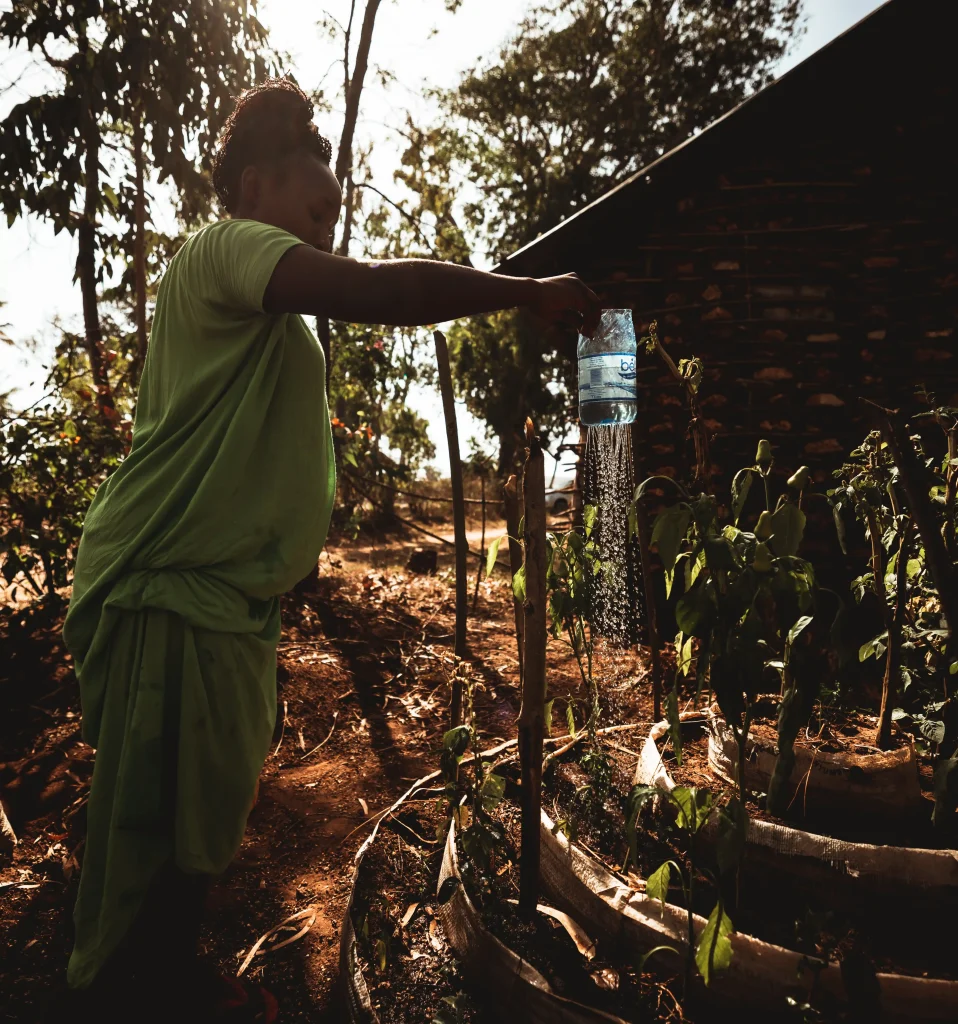
1. Promote Indigenous Peoples and Local Food Systems: We demonstrate dedication to preserving, revitalizing, and strengthening knowledge on Indigenous Peoples and local food systems.
2. Collaboration: We exhibit a willingness to collaborate and co-create with stakeholders and like minded support systems, share knowledge, resources, and best practices.
3. Encourage Partnership: We show openness to working with partners that will help the Network and Indigenous Peoples and local communities to achieve their vision and mission.
4. Community-Centric Approach: We prioritise community needs that address hunger and their involvement in decision-making processes that offer solutions that bring resilience to climate change by providing a diverse array of opportunities and solutions to escape threats to food insecurity.
5. Promote Sustainability and Regeneration: We adhere to principles of regenerative and restorative food systems respecting socio-economic and planetary ecological boundaries.
6. Recognise Cultural Heritage: We have respect for and promotion of Indigenous Peoples and local food systems recognising they are embedded in a history of cultures, traditions, and traditional knowledge. Striking a balance and blending of Indigenous Peoples and non Indigenous knowledge systems in contributing solutions that can lead to transformation of local food systems and address food insecurity and climate resilience.
Lift Off Fund
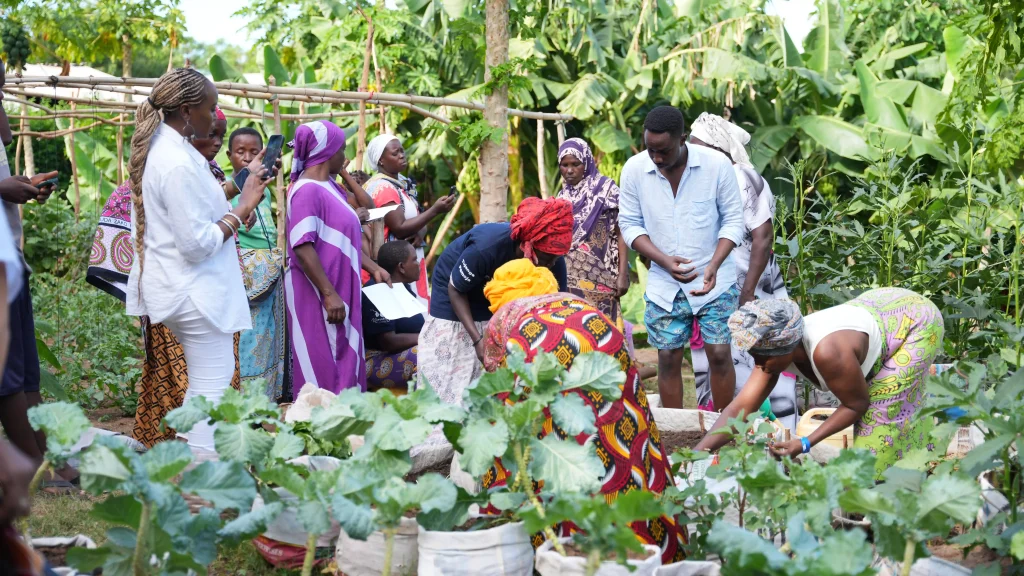
Small, well-placed investments create big impacts. The Lift Off Fund is a dedicated initiative that supports the expansion of Solutions Lab, enabling the tailor development, community-driven responses to local challenges – ranging from school feeding programs to climate adaptation strategies. By channeling targeted financial support, the ufnd empower communities to innovate and sustain their unique food systems while fostering resilience and self-reliance.
Our impact
Brazil
Communities
Biomes in LATAM
Community-led projects on Food Sovereignty
Fellow Pollinators
Fiji
Communities Worked with, one agricultural, one freshwater dependent – meeting with Elders to guide the work and followed traditional protocols.
Nigeria
Empowered women and youth small – holder farmers, using Farm to Landscape Model; promoting sustainability and belonging for a more locally adapted and connected world.
Kenya
Supported the implementation of 12,000 Hectare Marine Co-Management Area
Households reached with climate-smart gardens project
Students reached with leafy greens.
Canada
Funded 11 First Nation Food Sovereignty projects (population 15,785) feeding children and Elders; created a forum to share best farming practices.
Guiding Committee
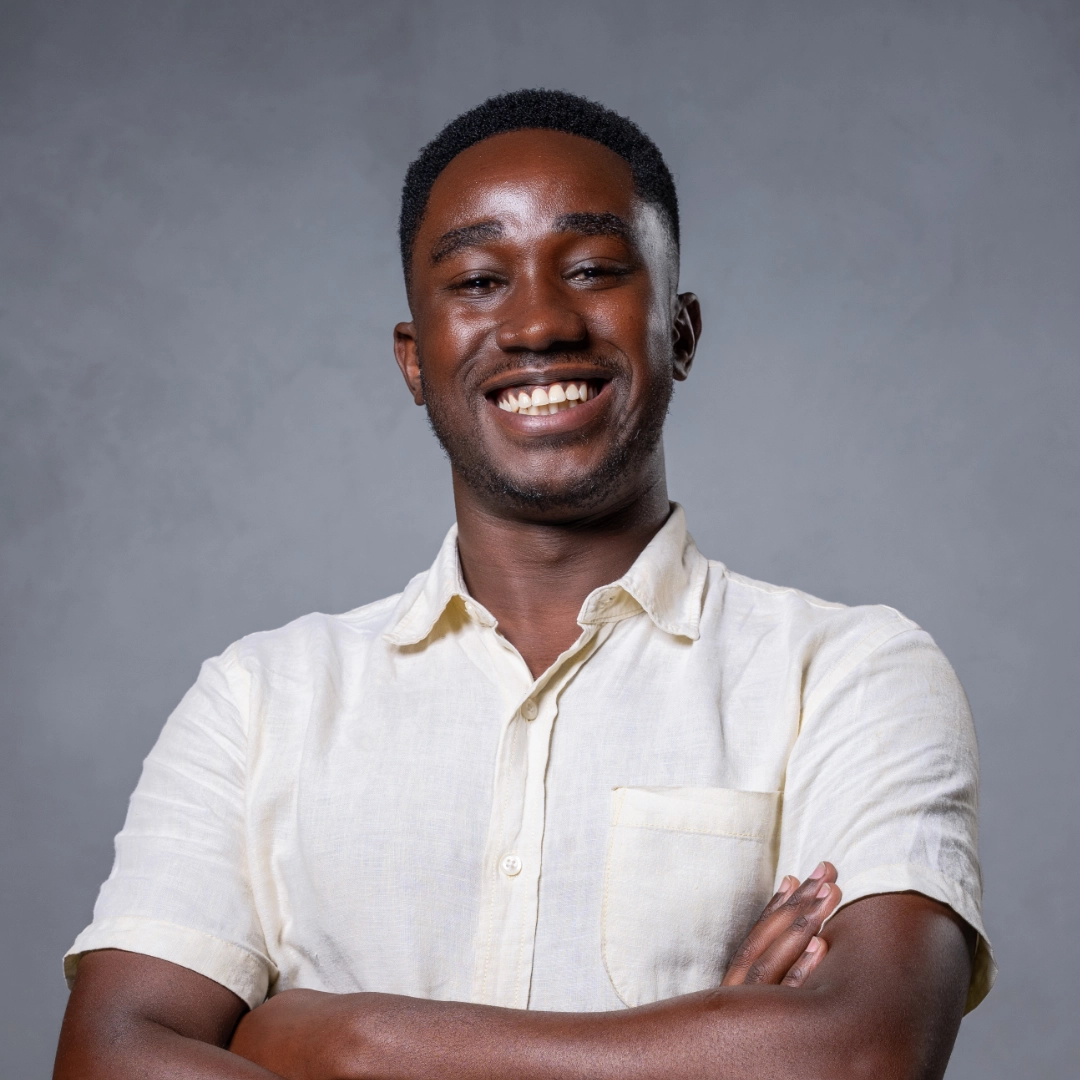
Ledama Masidza
CEO – Kind World Project & Food System Action Lead – African Food Fellowship
Ledama Masidza is a Marine Conservationist, Indigenous Food Systems Advocate, and Impact Storyteller dedicated to advancing community-driven solutions for planetary and people well-being. His journey began in Kuruwitu, Kenya, where he co-developed pioneering environmental and fisheries co-management programmes with local communities.
Marla Carlson
PFSVN Coordinator
Marla Carlson is a dedicated advocate for just, sustainable food systems in the Canadian Prairies. Since 2006, she has held leadership roles in Saskatchewan’s agricultural sector, including as the first Executive Director of SaskOrganics. A founding director of the Prairie Food System Vision Network, she has helped guide the initiative since it won the Rockefeller Foundation’s Food Systems Top Visionary Prize, and now serves as its Coordinator, advancing its mission to decolonize Prairie food systems.
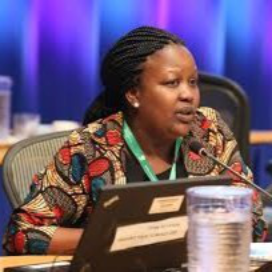
Edna Kaptoyo
Grantmaking & Partnerships Officer at Pawanka Fund
Edna Kaptoyo is a Kenyan social‑development specialist, environmental and gender justice advocate, and Indigenous rights champion with over 15 years of experience. A Pokot woman rooted in rural Kenya, she grew up witnessing the hardships of living without electricity and water—experiences that inspired her lifelong dedication to community resilience.
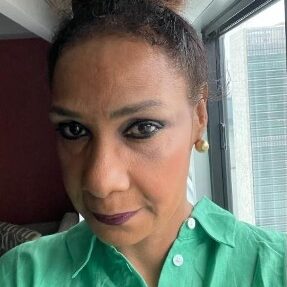
Carla Maria Bush
Carla Bush is the Operations and Program Director at the Indigenous‑led Pawanka Fund, where she plays a pivotal role in ensuring culturally rooted and holistic grantmaking across global regions. Based in Nicaragua, she guides strategic partnerships, “cultural due diligence,” and operational frameworks—bridging Indigenous knowledge systems with flexible funding mechanisms.
Guiding Committee

Ledama Masidza
Environmental Program Manager at Oceans Alive (Kenya)
Ledama Masidza is a Marine Conservationist, Indigenous Food Systems Advocate, and Impact Storyteller dedicated to advancing community-driven solutions for planetary and people well-being. His journey began in Kuruwitu, Kenya, where he co-developed pioneering environmental and fisheries co-management programmes with local communities.
Marla Carlson
Executive Director at SaskOrganics (Canada)
Marla Carlson is a passionate advocate for healthier, more just, and sustainable food systems across the Canadian Prairies. Since 2006, she has held numerous leadership roles in Saskatchewan’s agricultural sector, including serving as the first Executive Director of SaskOrganics.
Edna Kaptoyo
Grantmaking & Partnerships Officer at Pawanka Fund
Edna Kaptoyo is a Kenyan social‑development specialist, environmental and gender justice advocate, and Indigenous rights champion with over 15 years of experience. A Pokot woman rooted in rural Kenya, she grew up witnessing the hardships of living without electricity and water—experiences that inspired her lifelong dedication to community resilience.
Carla Maria Bush
Carla Bush is the Operations and Program Director at the Indigenous‑led Pawanka Fund, where she plays a pivotal role in ensuring culturally rooted and holistic grantmaking across global regions. Based in Nicaragua, she guides strategic partnerships, “cultural due diligence,” and operational frameworks—bridging Indigenous knowledge systems with flexible funding mechanisms.
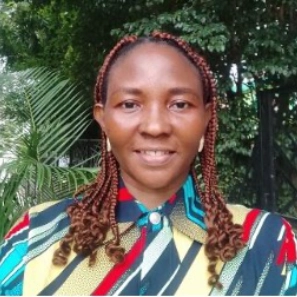
Asikaralu Okafor
Executive Director at Village Farmers Initiative (Nigeria)
Asikaralu Okafor is a versatile, strategic and facilitative leader with over 20 years of experience and expertise on Agriculture, Entrepreneurship, Information Technology, Community Development, Women & Youth, Peacekeeping & Conflict Resolution and International Development.

Ana Rosa de Lima
Director of Meli Bees Network (Brazil/Germany).
Ana Rosa grew up in the Arc of Deforestation in the Brazilian Amazon. She witnessed first-hand the rapid, adverse changes to her childhood environment, including destruction of the forest and its connection with land conflicts and human rights abuses.

Sashi Kiran
Director/Founder at Foundation for Rural Integrated Enterprises & Development (FRIEND) (Fiji)
Sashi Kiran works towards alleviation of poverty through an integrated holistic approach of social, economic, environmental and health empowerment for those in need.
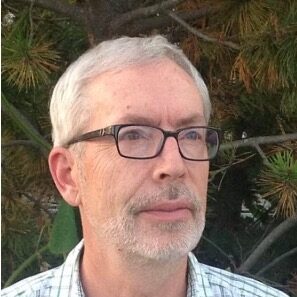
Paul Hanley
Member of the Prairie Food System Vision Network (Canada)
Paul Hanley has published six books and 1600 articles on the environment, sustainable development, agriculture, and other topics. He is editor and co-author of Earthcare: Ecological Agriculture in Saskatchewan (1980) and The Spirit of Agriculture (2005).
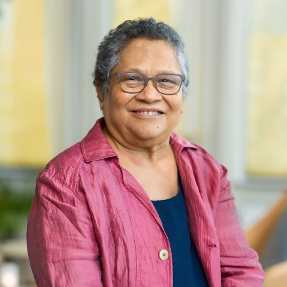
Myrna Kay Cunningham Kain
Chairperson of Pawanka Fund (Nicaragua)
Dr. Myrna Cunningham Kain is a medical doctor and works as a Public Health Practitioner with the Miskitu Indigenous population on the Atlantic coast of Nicaragua.
Our Partners
LIFT Network is powered by the strength of our relationships. We are grateful for the partners who believe in the leadership of Indigenous Peoples and Local Communities, and who support our shared mission to transform food systems, restore ecosystems, and uphold the right to self-determined futures. Together, we are building a global movement rooted in solidarity, regeneration, and justice.
The Rockefeller Foundation
The Rockefeller Foundation has been a cornerstone supporter of the LIFT Network since its inception in 2021. With a shared commitment to equity, food systems transformation, andclimate resilience, the Foundation played a vital role in catalyzing LIFT’s emergence from the
UN Food Systems Summit.
Their early and continued support enabled LIFT to:
- Launch Solutions Labs across five countries.
- Seed the LIFT Off Fund—a micro-granting platform for grassroots innovation.
- Convene project leaders in Kenya and New York to learn from grassroots best practice
- and shaped the LIFT Network’s future.
- Build a growing network of IPLC-led organizations advancing community-based food sovereignty.
What we do
Reimagining the future of food—from the ground up.
At the LIFT Network (Local and Indigenous Food Systems Transformation Network), we connect and empower Indigenous Peoples and Local Communities (IPLCs) across the globe to revive, reimagine, and regenerate their food systems.
Our work is woven together by the power of collaboration. We believe in the strength of a tapestry—where each thread, each partner, and each community brings its unique wisdom, energy, and vision.
Through our network, we foster connections at every level—from grassroots communities to global partners, from local leaders to international allies.
At the heart of this network are our Solutions Labs—community-driven innovation hubs where local leaders craft, test, and scale culturally rooted, climate-smart solutions. These solutions nourish people, protect biodiversity, and defend land rights. It’s not about prescribing change; it’s about resourcing, trusting, and walking alongside communities as they lead the way. Through our vibrant and expanding network, we work across Brazil, Canada, Fiji, Kenya, Nigeria, and beyond, creating a shared space where ideas and actions flow freely, and collective energy sparks transformation. Together, with our partners, we:
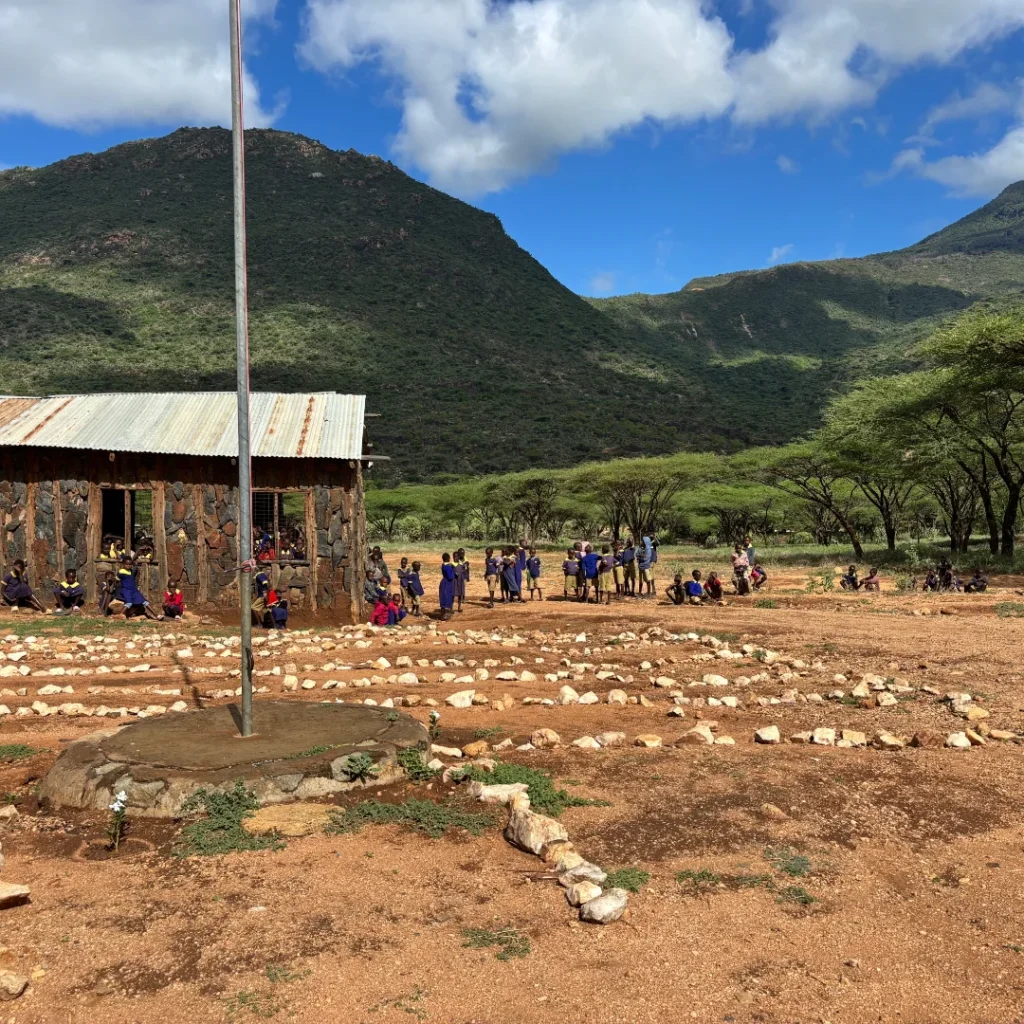
- Cultivate food sovereignty through regenerative agriculture, traditional knowledge, and seed-saving, honoring the deep connection between culture and land.
- Restore ecosystems, from Amazonian rainforests to coral reefs, led by the communities that have long cared for these sacred places.
- Support grassroots leadership, providing funding, mentoring, and cross-border peer exchange to strengthen the voices of those on the ground.
- Elevate Indigenous Peoples and local voices in global conversations on food, climate, and justice—ensuring their stories, solutions, and needs are heard at the highest levels.
- Nurture learning ecosystems that prioritize Indigenous wisdom and knowledge, blending it with modern expertise to co-create solutions that resonate on both local and global scales.
The LIFT Off Fund empowers communities by ensuring that small, promising ideas receive the flexible support they need to grow—whether through seed grants, mentorship, or access to a broader community of supporters. Our gatherings, both local and global, provide platforms for solidarity, strategy, and storytelling—places where people come together to connect, learn, and inspire each other.
These moments of connection strengthen the fabric of the LIFT network and catalyze collective action. We believe that transformation is already happening. It is unfolding in the hands of those who are most deeply connected to land, ocean, culture, and community. We exist to help this transformation take flight, woven together by the collective strength and spirit of our communities, our partners, and our shared vision for a just and sustainable future.